


Treks & Expeditions
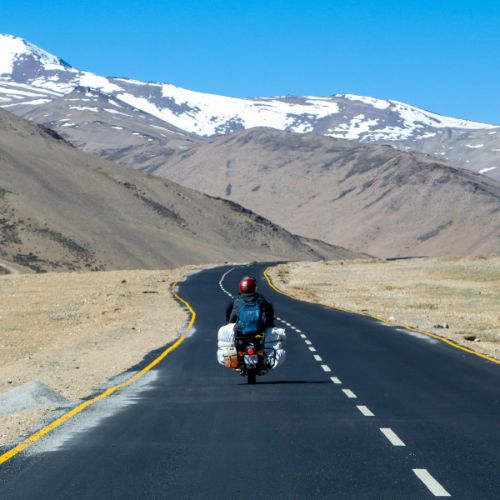

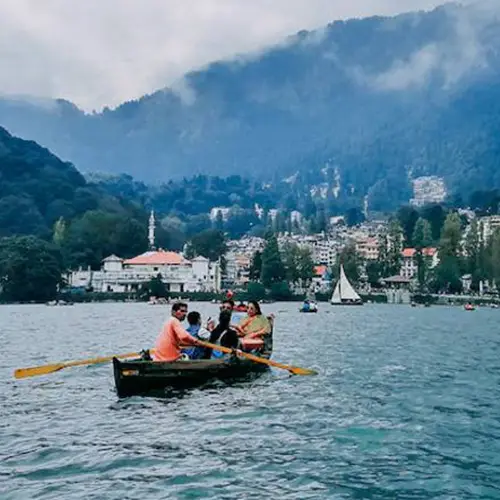

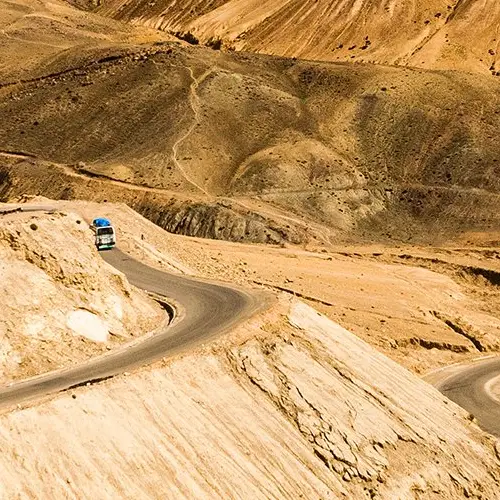


At The Himalayan Expert, every journey is crafted by people who live and breathe the mountains.
Our certified guides and local experts ensure each trek is safe, authentic, and unforgettable — blending adventure with comfort and care. We believe in exploring responsibly, supporting mountain communities, and preserving the pristine beauty of the Himalayas. Whether you’re a first-time trekker or a seasoned explorer, we design personalized itineraries, maintain small groups, and prioritize safety at every step. With us, it’s not just about reaching the summit — it’s about experiencing the heart and soul of the Indian Himalayas.

Plan Your Trek
Tell us where you want to go, and we’ll plan the perfect Himalayan adventure.


Blog & Resources
-

How to Reach Sankri for Kedarkantha Trek (Delhi, Dehradun, Rishikesh Routes)
Learn how to reach Sankri for the Kedarkantha trek from Delhi, Dehradun, and Rishikesh with travel routes, transport options, and tips.
0 Comments -

How to Reach Lohajung for Brahmatal Trek (Bus, Train, Taxi Options)
Learn how to reach Lohajung for the Brahmatal Trek by bus, train, or taxi with detailed routes, travel tips, and hassle-free planning guidance.
-

Dayara Bugyal Trek Guide – Itinerary, Best Season, Fitness Level
Complete Dayara Bugyal trek guide covering itinerary, best season to visit, fitness level, and essential tips for a safe Himalayan trekking experience.
-

Brahmatal Trek Guide – Weather, Route, Trek Fees, Difficulty & Tips
Explore the Brahmatal Trek with detailed info on weather, route map, difficulty, cost, best season, and expert tips for beginners and trekkers.
Frequently Asked Questions
What are the best Himalayan treks in India?
Some of the most popular Indian Himalayan treks include Kedarkantha, Hampta Pass, Valley of Flowers, Kashmir Great Lakes, Goecha La, and Sandakphu. Each offers a unique mix of scenery, from snowy peaks and alpine meadows to lakes and cultural villages.
What is the best time to trek in the Indian Himalayas?
The best time depends on the region:
- Summer treks (May–June): Himachal, Uttarakhand, Sikkim
- Monsoon treks (July–September): Valley of Flowers, Kashmir
- Winter treks (December–February): Kedarkantha, Brahmatal, Dayara Bugyal
- Avoid July–August for high-altitude passes due to heavy rainfall.
Do I need prior trekking experience?
Not necessarily. Many Indian Himalayan treks are beginner-friendly like Nag Tibba, Kedarkantha, and Triund. For moderate or difficult routes, basic fitness and endurance training are recommended.
How safe are Himalayan treks in India?
Safety is a top priority. All our treks are guided by certified mountaineers, supported by trained local guides and first-aid-equipped staff. Weather and altitude conditions are monitored daily, and emergency evacuation plans are always in place.
What fitness level is required for trekking?
You don’t have to be an athlete, but basic stamina helps. If you can walk 5–6 km daily for a week and handle light uphill climbs, you’ll do great. Regular cardio and leg workouts improve performance at altitude.
What should I pack for a Himalayan trek?
Essential items include:
- Good quality trekking shoes
- Layered clothing (thermal, fleece, waterproof jacket)
- Gloves, cap, sunglasses
- Personal medicines and reusable water bottle
- Light snacks and energy bars
- A detailed packing checklist is shared before every trek.
How can I book a trek with The Himalayan Expert?
You can explore treks on our website, choose your preferred destination and dates, and submit a quick enquiry form. Our team will contact you within 24 hours to customize your itinerary and confirm your booking.
Do you offer customized or private treks?
Yes! We specialize in custom itineraries for small groups, families, and corporate teams. Whether it’s a private snow trek or a photography expedition, we’ll plan it around your needs.
Are permits and logistics arranged by you?
Absolutely. All permits, forest entries, transport, accommodation, and meals are included in our packages, so you can focus on the experience, not the paperwork.
What makes The Himalayan Expert different?
Unlike generic travel operators, we focus only on Indian Himalayan exploration. Our team is made up of local guides, mountaineers, and environmentalists dedicated to safe, authentic, and eco-friendly travel. Every trek supports local communities and promotes sustainable tourism.
Can solo travelers join your treks?
Yes, solo travelers are welcome! We group compatible trekkers together to ensure safety, comfort, and great company during the journey.
What if the weather changes suddenly?
We always keep backup itineraries and safety protocols ready. In case of extreme weather or route closure, our guides adjust the schedule or provide safe alternatives, without compromising the experience.
Which states of India do you cover?
We currently organize treks and expeditions across:
Jammu & Kashmir, Himachal Pradesh, Uttarakhand, Sikkim, Arunachal Pradesh, and West Bengal.
How do I prepare for high altitude?
Stay hydrated, avoid alcohol/smoking before your trek, and sleep well. We design gradual ascents to aid acclimatization, minimizing risks of AMS (Acute Mountain Sickness).